Day four: the people who know her are providing statements
Neighbours, friends and regular caregivers who have known Trudy for years state how she lived: independently, lucid, surrounded by care. A factual account of what they observed.
Correction — 15 July 2026. The statements are being collected and stand ready for counsel. The firm approached on 10 July did not accept the instruction, as confirmed in writing on 13 July (holiday absence); the family is urgently arranging new counsel of Trudy’s own choosing.
This is a factual account of what the people in Trudy’s immediate circle state about the way she lived. These are facts, not opinions. The reader can form their own judgement.
Who knows her
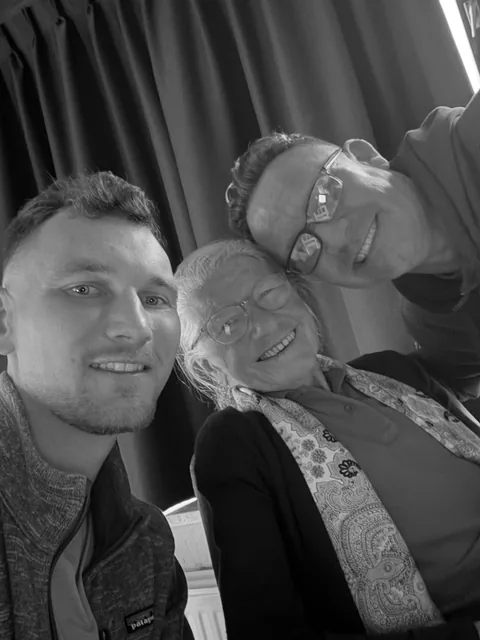
The people providing statements did not assess Trudy once, in a single conversation. They have known her for years, some for decades. They saw her several times a week in recent months. They came into her home and observed with their own eyes how she lived her life: independently, lucid, and in her own familiar surroundings.
They state that Trudy lived in her own home with daily support, that she was aware of what was going on around her, and that — with the discomforts that come with her age and her COPD — she had her life in order.

The care she received at home
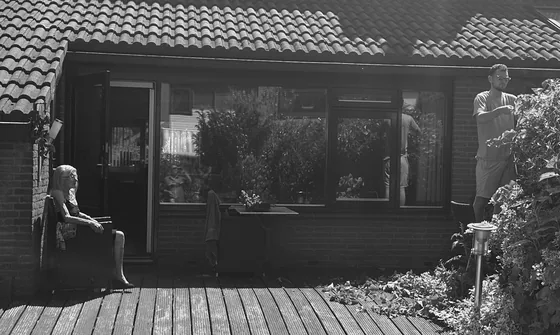
What “daily support” meant in practice was the following. Her son and grandson came by and carried out the work she could no longer do herself because of her COPD and her age: the yard work, the pruning, and the jobs in and around the house — tasks she used to do herself.
In addition, her son had, on his own initiative and at his own expense, arranged a dedicated caregiver. This caregiver had come several times a week for more than three years: for the household, for fresh meals from the local organic butcher, and as a familiar, listening presence in Trudy’s own surroundings. She accompanied Trudy to doctor’s appointments and, by her own account, knew Trudy — her health, her daily life, her wishes — better than anyone else in her circle of care.
This was not a woman without care. This was a woman whose care had been arranged at her family’s own expense, precisely so that she could keep living at home.
What they now state
Since Trudy was taken away against her will and cut off from her surroundings, these people have, of their own accord, been providing dated, signed statements about how they experienced Trudy. They are doing so because the picture that led to her forced admission does not, in their observation, match the woman they saw every day.
These statements are being gathered and handed to the lawyer, for the purposes of the court proceedings.

What this is about
Trudy is 82 and turns 83 this month. She has made clear what she wants: to return to her own home, in her own street, with the care she needs and which her family is willing to arrange at its own expense.
While the underlying documents have not been received in full and examined, no names are named and no conclusions are drawn. The questions remain — and they are being put through the proper legal channels.
This post will be updated as more becomes known.